Summary
3PL (third-party logistics) means a company hands over warehousing, transport and related services to an external logistics partner. The partner provides the warehouses, equipment, people and IT systems, and the client pays for the services it actually uses. Outsourcing logistics makes most sense for companies with fluctuating volumes, plans to expand into other countries, or goods that need special conditions such as chilled or frozen storage.
What 3PL means
In 3PL, the first party is the shipper (a manufacturer or retailer), the second is the recipient, and the third is the logistics partner that stores, handles and transports the goods between them.
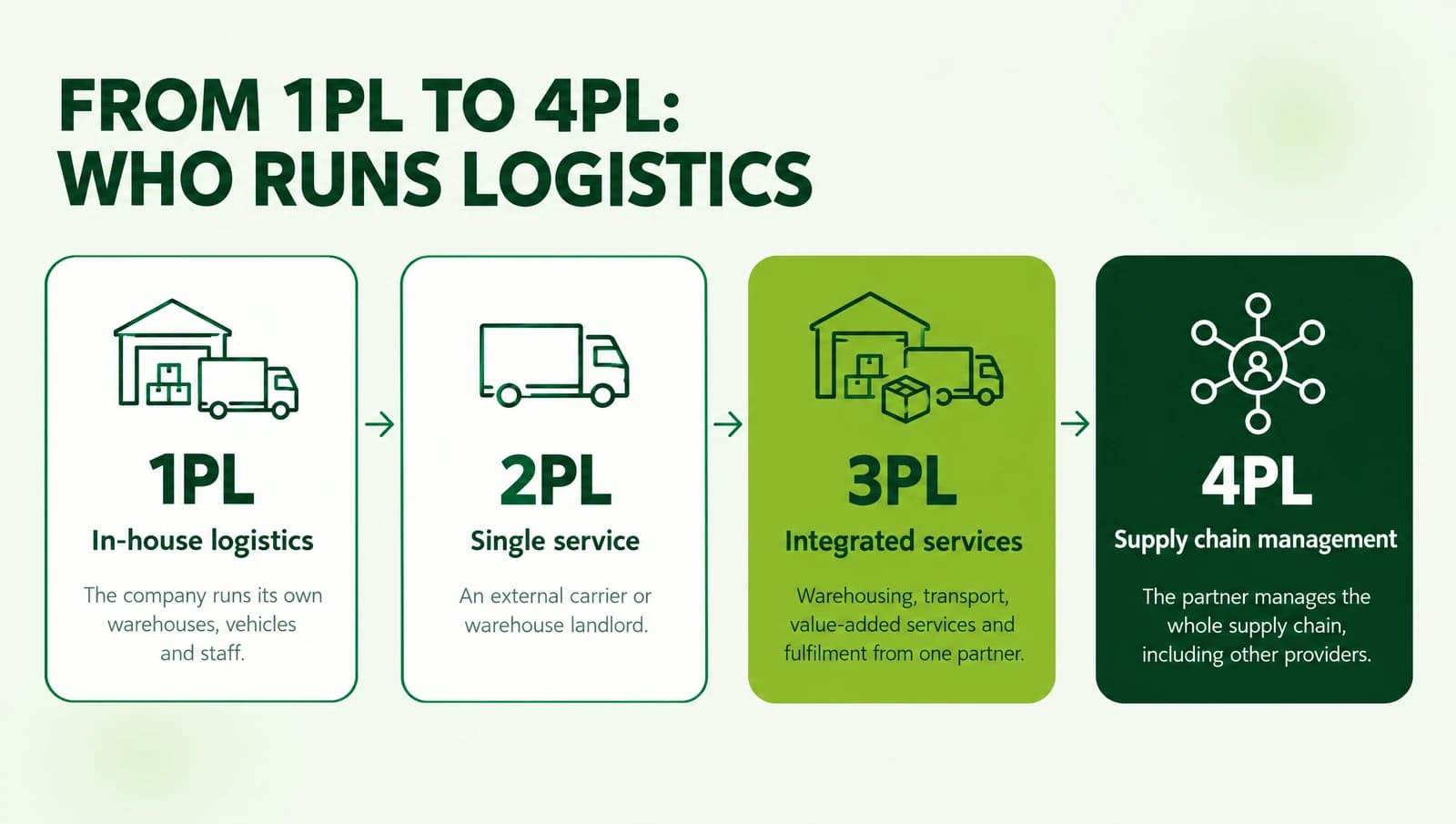
The industry uses a range of labels. The boundaries are not fixed, but in general:
| Model | Who runs logistics |
|---|---|
| 1PL | The company itself, with its own warehouses, vehicles and staff |
| 2PL | An external provider of a single service, typically a carrier or a warehouse landlord |
| 3PL | An external partner running several connected services: warehousing, transport, value-added services, fulfilment |
| 4PL | A partner that manages the whole supply chain on the client's behalf, including other logistics providers |
What a 3PL partner usually handles
The scope depends on the partner and the contract. Most often it includes:
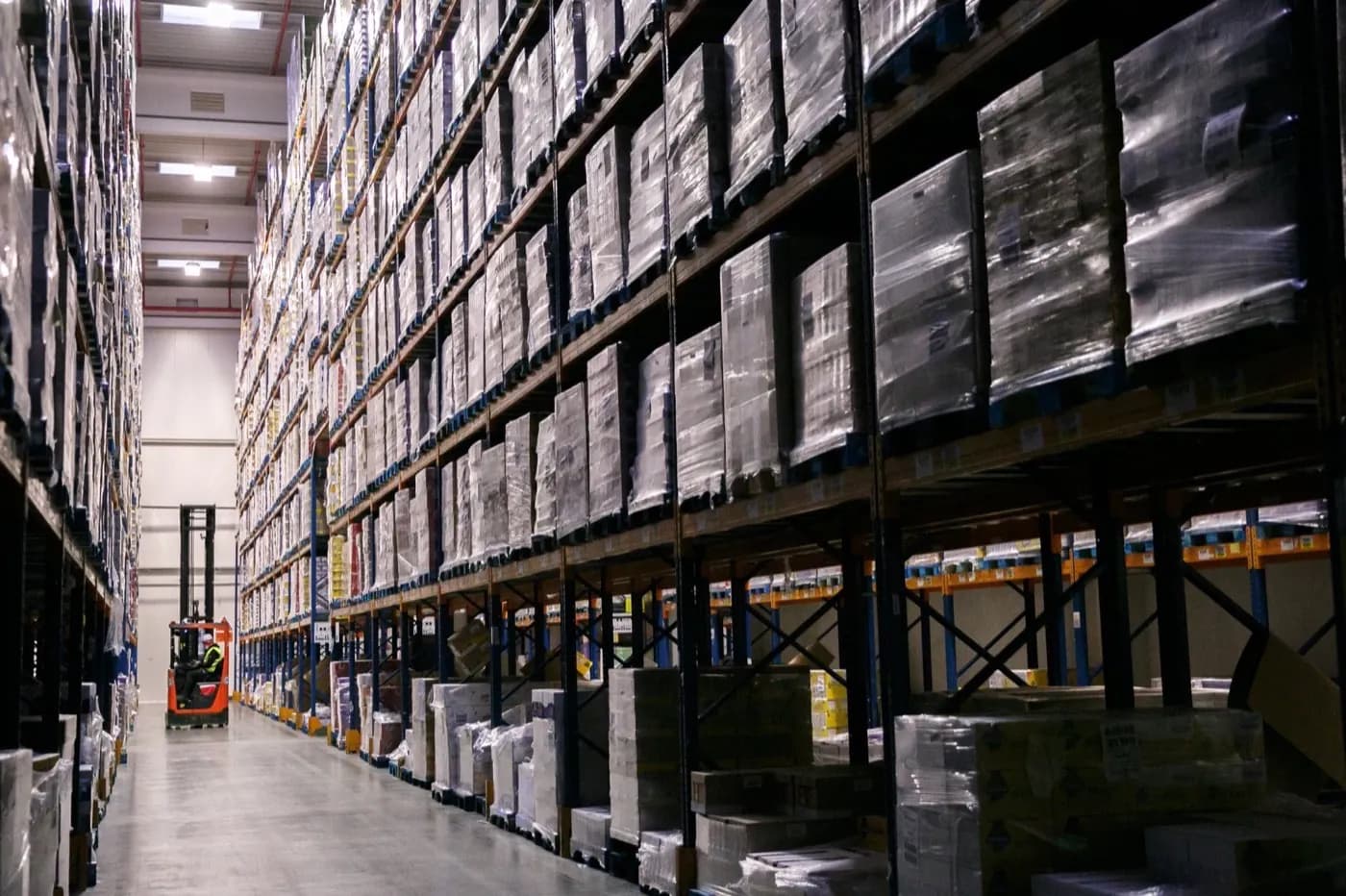
- Warehousing: receiving, storage and order picking, inventory management and stock counts.
- Transport and distribution: deliveries to stores and customers, collections, cross-docking, network lines.
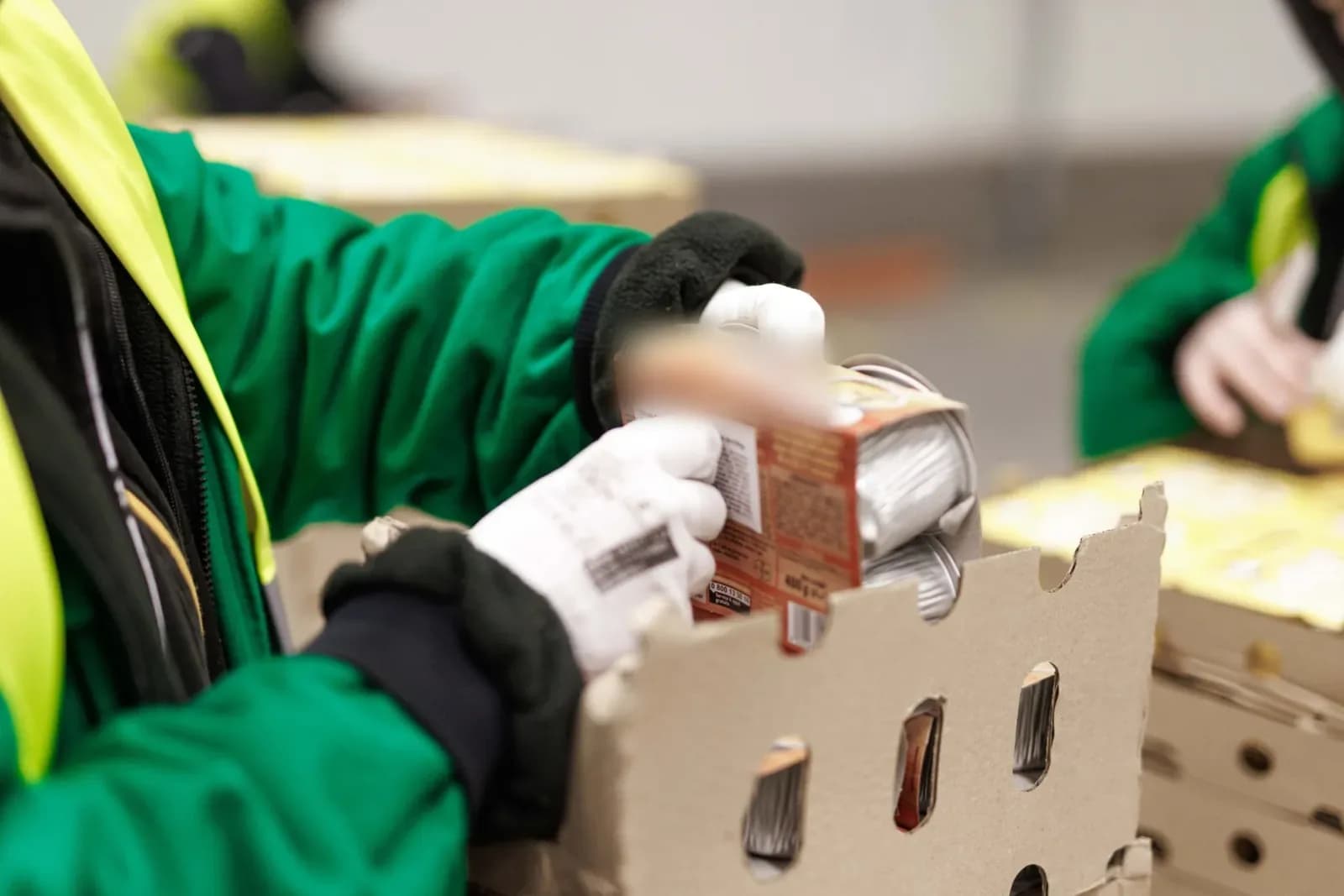
- Value-added services: co-packing, labelling, kitting, light assembly.
- Fulfilment: B2B and B2C order processing, from e-shop integration to dispatch.
- IT integration: connecting the warehouse management system (WMS) with the client's ERP, so both sides see the same stock and order data.
3PL, contract logistics and freight forwarding
These terms are often mixed up. Contract logistics is a form of 3PL based on a long-term contract, where the partner sets up warehousing, processes and capacity around one client's needs. Freight forwarding is mainly about organising transport: the forwarder arranges the carrier, route and documents, but does not necessarily store or handle the goods.
When outsourcing logistics pays off
The most common reasons companies move to a 3PL:
- Fluctuating volumes. Seasonal peaks, retail promotions or product launches. The partner covers the swings from shared capacity, and the client does not pay for an empty warehouse off season.
- Expansion into other countries. Instead of building its own infrastructure, the company uses the network of a partner already operating in the target market.
- Labour shortages. Hiring warehouse staff and drivers has been difficult for years. With a 3PL, staffing is the partner's job.
- Investment in warehousing and technology. An own distribution centre, racking, handling equipment and a WMS require a large upfront investment and tie up capital.
- Special requirements. Chilled or frozen storage, food safety certifications, a customs warehouse. These are worth sharing with a partner that runs them for many clients.
Outsourcing may not make sense where logistics is the company's main competitive advantage, or where the process is so specific that a partner would have to build it from scratch for a single client.
How to choose a 3PL partner
Questions worth asking:
- Network and locations: does the partner have warehouses where you need them, and does it cover the countries you plan to enter?
- Temperature regimes: can it handle ambient, chilled and frozen operations if your goods need them?
- Certifications: for example IFS Logistics and organic (BIO) certification for food, the ISO series for quality and safety management, AEO for customs.
- IT and data: can it connect to your ERP and give you real-time visibility of stock and orders?
- Scalability: how quickly can it add space and staff during peak season?
- Reporting and KPIs: which indicators will it track, such as picking accuracy, on-time delivery or stock levels, and how often will it report them?
- Industry references: does it work for companies with similar goods and volumes?
How the move to a 3PL works
The transition usually goes through several stages. First the partner analyses the client's data: volumes, product range, seasonality and delivery requirements. Based on that it designs a solution and a price. Then comes implementation, meaning system integration, process set-up and moving the stock. After go-live there is a stabilisation period, followed by ongoing reviews against the agreed KPIs.
HOPI Logistics as a 3PL partner
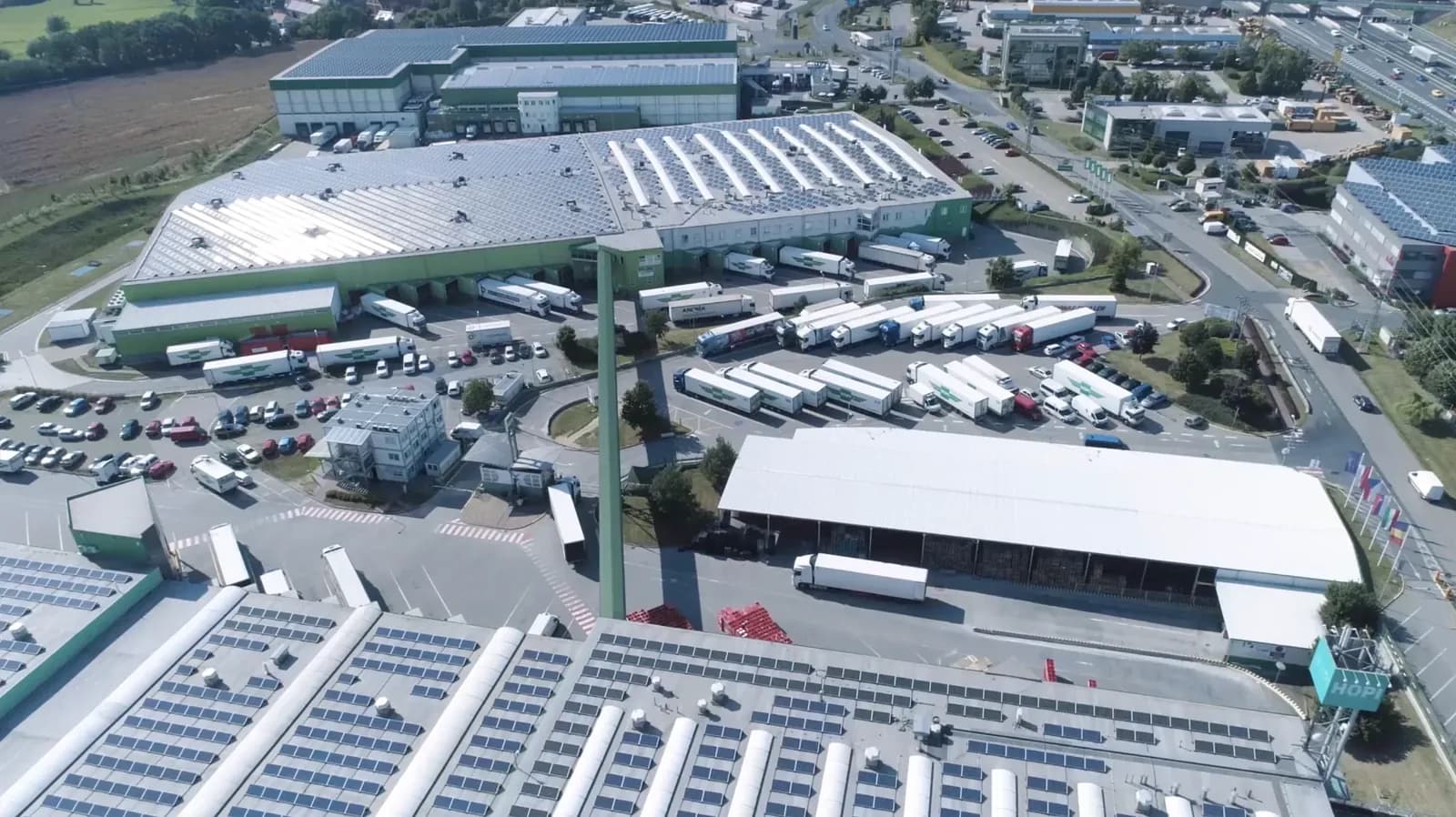
HOPI Logistics is part of the HOPI Holding group and operates in the Czech Republic, Slovakia, Hungary, Poland and Romania. It runs 16 distribution centres with 570,000 m² of space and more than 500 trucks, and employs 4,500 people. Its services cover warehousing, transport, value-added services and fulfilment, from central distribution centres to 4PL models, with strong SAP know-how.
We store and transport goods in ambient, chilled and frozen conditions. Our Czech distribution centres hold IFS Logistics and BIO certifications, and HOPI Logistics is also certified to ISO 9001, 14001, 45001, 50001 and 27001 and holds AEO status. Food retail and FMCG make up a large share of our customers. For Hollandia yoghurts, for example, we have handled the complete chilled flow to stores in the Czech Republic and Slovakia since 2018.
Looking for a 3PL partner for warehousing, transport or fulfilment in Central Europe? Contact us or request a quote.
FAQ
What does 3PL stand for?
Third-party logistics. A company hands over warehousing, transport and related services to an external partner.
What is the difference between 3PL and 4PL?
A 3PL partner physically runs the logistics. A 4PL partner manages the whole supply chain for the client, including other logistics providers.
Is 3PL the same as contract logistics?
Contract logistics is a form of 3PL based on a long-term contract and operations tailored to a specific client.
When does outsourcing logistics pay off?
Typically with seasonal volume swings, expansion into new countries, staff shortages, or when an own warehouse would require a large investment.
Can a 3PL partner handle chilled and frozen goods?
Yes, if it has warehouses and vehicles for temperature-controlled operations. HOPI Logistics offers frozen storage in six distribution centres in the Czech Republic, Slovakia and Hungary.